The Kansas City Chiefs aren’t just defending champions—they’re evolving. After a calculated 2026 draft class that balanced immediate impact with long-term depth, the Chiefs have vaulted near the top of the NFL power rankings. Meanwhile, the San Francisco 49ers, despite landing high-upside talent, face scrutiny for a familiar pattern: reaching on prospects to fill need-based gaps. As teams reshuffle their pecking order, the contrast between disciplined draft capital use and desperate need-filling couldn’t be starker.
Chiefs’ Draft Strategy: Precision Over Hype
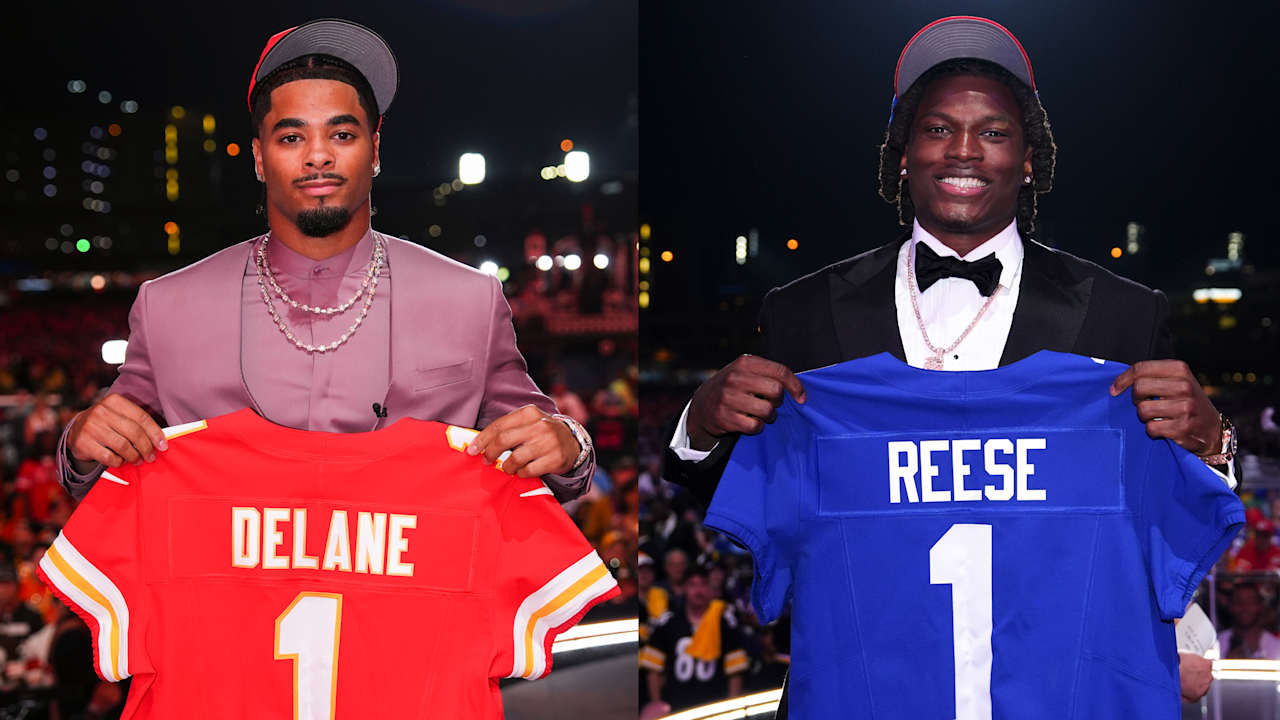
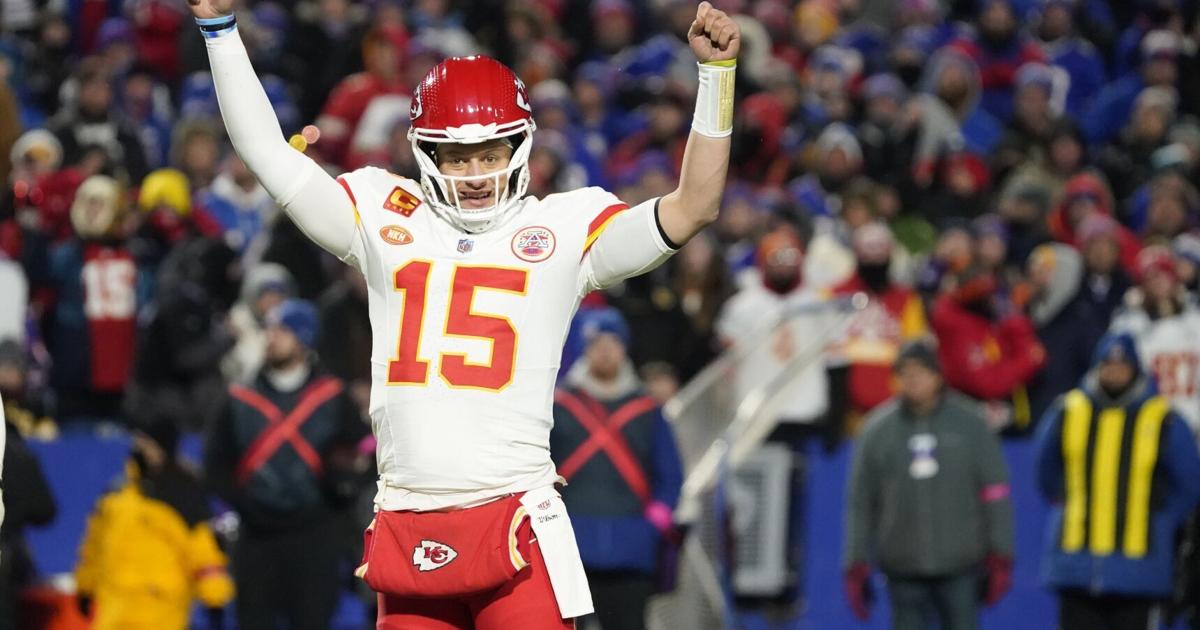
Unlike franchises swayed by mock drafts or fan pressure, the Chiefs stuck to their board—and it showed in their selections. With Patrick Mahomes still in his prime window, the front office didn’t panic. Instead, they invested in pieces that extend that window: a high-floor interior offensive lineman at No. 28, a coverage-savvy safety in Round 2, and a developmental edge rusher with elite bend in Round 3.
What made the draft effective wasn’t just the talent—it was the value. Kansas City traded down twice in the second and third rounds, netting additional Day 3 capital without sacrificing core targets. Their approach reflected a mature model: invest where the market’s low, avoid overdrafting, and trust development over instant stardom.
“We didn’t need a splash. We needed sustain,” said GM Brett Veach. “This class fills real gaps without mortgaging next year’s flexibility.”
Key Picks That Move the Needle
- OT Tyler Njoku (Round 1, No. 28) – Smooth mover with power finish, projected as a left guard who can slide to tackle in emergencies.
- S Deon Wright (Round 2, No. 61 via trade-down) – Instinctive center-field presence who excels in zone coverage, a direct upgrade over aging depth at safety.
- EDGE Jalen Pruitt (Round 3, No. 94) – Long-limbed pass rusher with 4.58 speed; ideal rotational piece behind George Karlaftis and rookie leader Josh Hines-Allen.
Each selection addressed a weakness exposed in last season’s playoff run: interior line pressure, secondary leaks in deep coverage, and pass rush inconsistency when Karlaftis was doubled.
49ers Repeat Draft Habits—But at What Cost?
The 49ers’ draft was flashy. They landed a five-star wide receiver at No. 14, a hybrid linebacker in Round 2 who can cover tight ends, and a developmental quarterback in Round 4. On paper, it’s a win. But a deeper look reveals the same old habits: reaching for need over value.
San Francisco selected WR Tyrese Johnson at No. 14—a player many boards slotted in the mid-20s. While Johnson has elite separation skills, he lacks the size and contested catch ability to thrive in the NFC West grind. The 49ers passed on several higher-graded players, including a Pro Bowl-caliber center and a press-man cornerback, to “fix” a receiving corps already deep with Deebo Samuel, Brandon Aiyuk, and George Kittle as a safety valve.
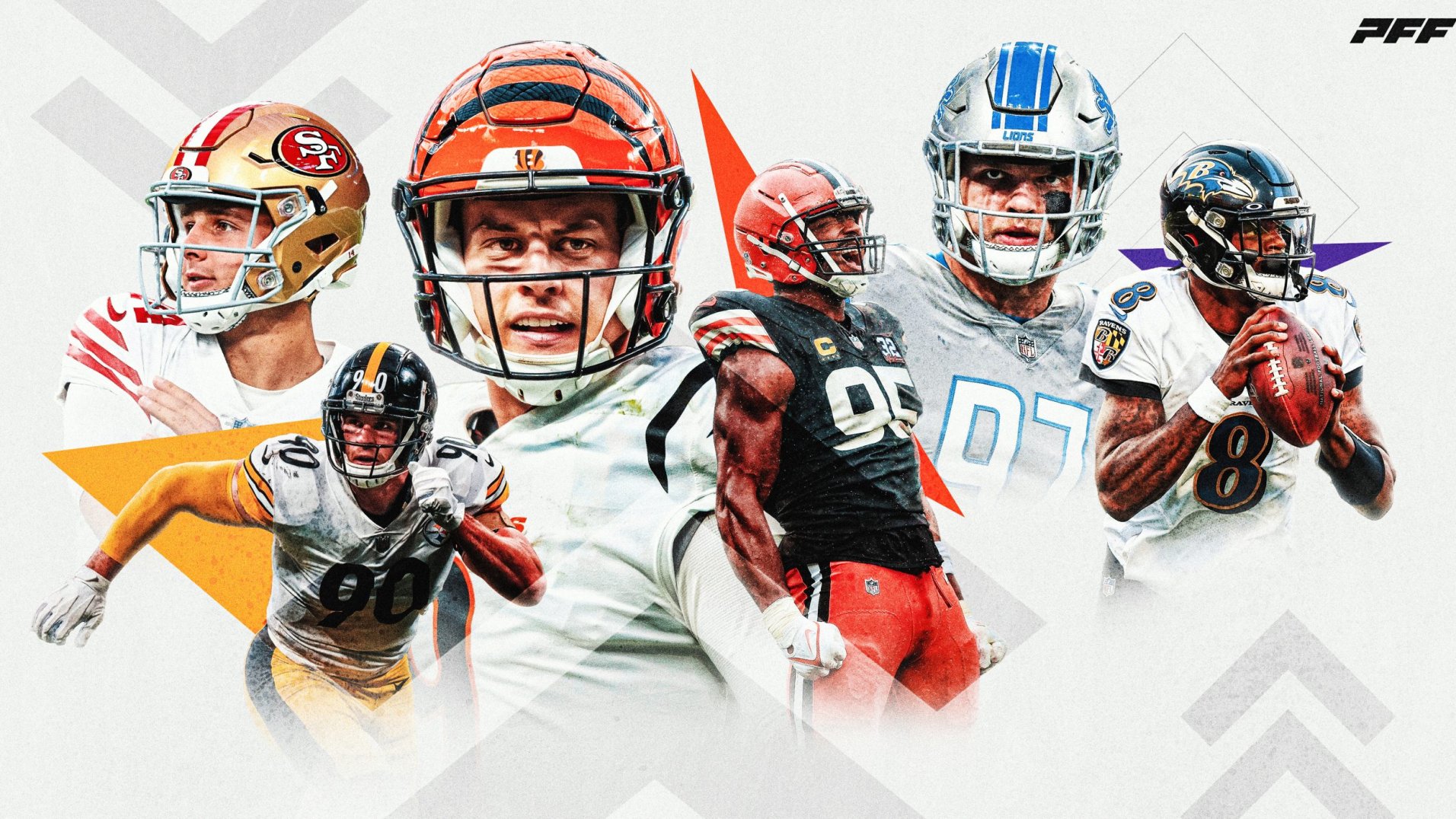
This isn’t new. Since 2020, the 49ers have reached on picks in 6 of the last 8 first rounds—often at offensive line or receiver. The pattern suggests a front office that prioritizes filling holes over building a balanced roster.
The Reach Ripple Effect When a team reaches: - They reduce surplus talent at other positions - They limit trade flexibility - They often overspend (via trade-up) and burn future capital
In 2026, San Francisco traded their 2027 first-rounder to move up five spots for Johnson. That loss of future equity could haunt them when injuries strike—as they inevitably do in Santa Clara.
“You can’t draft scared,” said one AFC personnel director, speaking anonymously. “The 49ers see a need and jump on it. But sometimes, the best pick is the best player available—even if he doesn’t solve today’s problem.”
Power Rankings Reset: How Teams Stack Up
The post-draft power rankings aren’t just about wins and losses—they reflect roster trajectory, depth, and how well teams use finite resources. Based on draft capital efficiency, player fit, and long-term outlook, here’s how the league reshuffled:
| Rank | Team | Draft Grade | Outlook |
|---|---|---|---|
| 1 | Kansas City Chiefs | A+ | Prime window extended with high-value picks |
| 2 | Buffalo Bills | A | Elite QB + defensive overhaul = AFC threat |
| 3 | San Francisco 49ers | C+ | Big names, but overpays and reach picks hurt value |
| 4 | Detroit Lions | A- | Balanced class, filled trenches with impact players |
| 5 | Baltimore Ravens | B+ | Solid depth, but missed on top-tier edge talent |
The Chiefs’ rise isn’t just about talent—it’s about trust in process. While others chase headlines, Kansas City continues to let data, film, and value guide decisions.
Why Draft Discipline Wins Championships
The NFL is a copycat league. Every team wants the Chiefs’ formula: sustained QB excellence paired with savvy roster management. But few replicate the restraint.
Consider this: since 2017, the Chiefs have had the fewest “reaches” (picks 10+ spots above ADP) among playoff-eligible teams. They’ve also had the highest percentage of drafted starters still contributing five years later. This isn’t luck—it’s a system built on: - Aggressive trade-downs - Prioritizing OL, DB, and edge defenders early - Letting need follow value, not dictate it
Meanwhile, teams like the 49ers, Jets, and Raiders consistently overdraft at skill positions—only to cycle through players every three years.
Case Study: Chiefs vs. 49ers Draft ROI (2020–2026)
- Chiefs: 8 of 12 Day 1/2 picks became starters or core contributors
- 49ers: 5 of 12, with 3 traded or released before Year 4
The gap in return on investment highlights why Kansas City remains a threat even as rivals reload.
Long-Term Implications: Window Expansion vs. Window Pressure
The Chiefs aren’t just winning now—they’re structuring for 2027 and beyond. With Mahomes under contract through 2029, and a wave of affordable young talent entering the fold, they’ve avoided the salary cap cliffs that buried past dynasties.
In contrast, the 49ers’ aggressive picks add near-term upside but increase cap strain. Johnson’s rookie deal is standard, but pairing him with expensive veterans like Kittle, Samuel, and Nick Bosa creates a fragile balance. One major injury or underperformance could force tough cuts.
Moreover, by trading future picks, San Francisco limits its ability to respond to unforeseen roster holes. The Chiefs, meanwhile, hold six picks in the next two drafts—including multiple Day 2 selections.
“You build a contender in-season. You build a dynasty in the draft room,” said longtime NFL analyst Mel Kiper Jr.
Avoiding Common Draft Pitfalls
Even smart teams make mistakes. Here are the most frequent missteps—and how the Chiefs avoided them in 2026:
- Panic Trading: Reaching for a “must-have” player.
- Chiefs’ fix: Stayed patient, let value fall to them.
- Positional Bias: Overvaluing QBs or WRs.
- Chiefs’ fix: Drafted no skill-position players in first three rounds—despite fan demand.
- Ignoring Fit: Taking a player who doesn’t suit scheme.
- Chiefs’ fix: All picks align with Andy Reid’s tempo-based offense and aggressive defensive backs.
- Burning Capital: Overpaying to move up.
- Chiefs’ fix: Traded down twice, gaining picks instead of losing them.
- Overestimating Upside: Banking on “boom or bust.”
- Chiefs’ fix: Targeted high-floor athletes with proven production.
Meanwhile, the 49ers checked nearly every box on the “what not to do” list—especially with their first-round decision.
What This Means for the 2026 Season
The Chiefs enter the season with quiet confidence. Their draft didn’t grab headlines, but it solidified the foundation. With improved interior line play, a faster secondary, and added pass rush depth, they’re better equipped to handle the AFC’s physical challenges.
The 49ers remain dangerous—Brock Purdy is elite, and Kyle Shanahan’s scheme maximizes talent. But their draft raises red flags: How deep is the bench? Can they stay healthy? Will overinvestment in one area create weakness elsewhere?
In a league where margins decide Super Bowls, the difference between a reach and a value pick can be the difference between a ring and a missed playoff berth.
Closing: Build Smart, Not Flashy
The 2026 draft didn’t crown a champion—but it revealed who’s building one. The Chiefs’ rise in the power rankings isn’t a reaction to splashy picks. It’s recognition of consistency, restraint, and long-term vision.
For fans and front offices alike, the lesson is clear: stop reaching. Start valuing. Build for October, not May.
If you’re betting on the future, bet on the team that drafts with discipline—not desperation.
FAQ
Why did the Chiefs rise in power rankings after the draft? They made high-value, need-appropriate picks without overdrafting, improved key weaknesses, and maintained draft capital for future flexibility.
Did the 49ers make mistakes in the 2026 draft? They reached on a WR at No. 14—passing on higher-graded players—and traded future picks, reducing long-term roster adaptability.
Who was the Chiefs’ top draft pick in 2026? OT Tyler Njoku, selected No. 28 overall, addresses interior line stability and can protect Mahomes in passing situations.
Are the 49ers still a Super Bowl threat? Yes, with Purdy and Shanahan, they’re always in contention. But their draft strategy adds risk to an already fragile depth chart.
How do draft reaches impact a team long-term? They reduce surplus talent, limit trade options, and often lead to roster imbalances when players underperform.
What makes the Chiefs’ draft strategy different? They prioritize value over need, trade down to accumulate picks, and avoid overdrafting, leading to higher player retention and ROI.
Is drafting for need ever justified? Yes—if the player is still good value. The mistake isn’t addressing need, but doing so at the cost of draft equity and board discipline.
FAQ
What should you look for in Chiefs Rise in NFL Power Rankings After Draft Haul? Focus on relevance, practical value, and how well the solution matches real user intent.
Is Chiefs Rise in NFL Power Rankings
After Draft Haul suitable for beginners? That depends on the workflow, but a clear step-by-step approach usually makes it easier to start.
How do you compare options around Chiefs Rise in NFL Power Rankings After Draft Haul? Compare features, trust signals, limitations, pricing, and ease of implementation.
What mistakes should you avoid? Avoid generic choices, weak validation, and decisions based only on marketing claims.
What is the next best step? Shortlist the most relevant options, validate them quickly, and refine from real-world results.