Hollywood isn’t just bouncing back—it’s being rebuilt, one tax credit at a time.
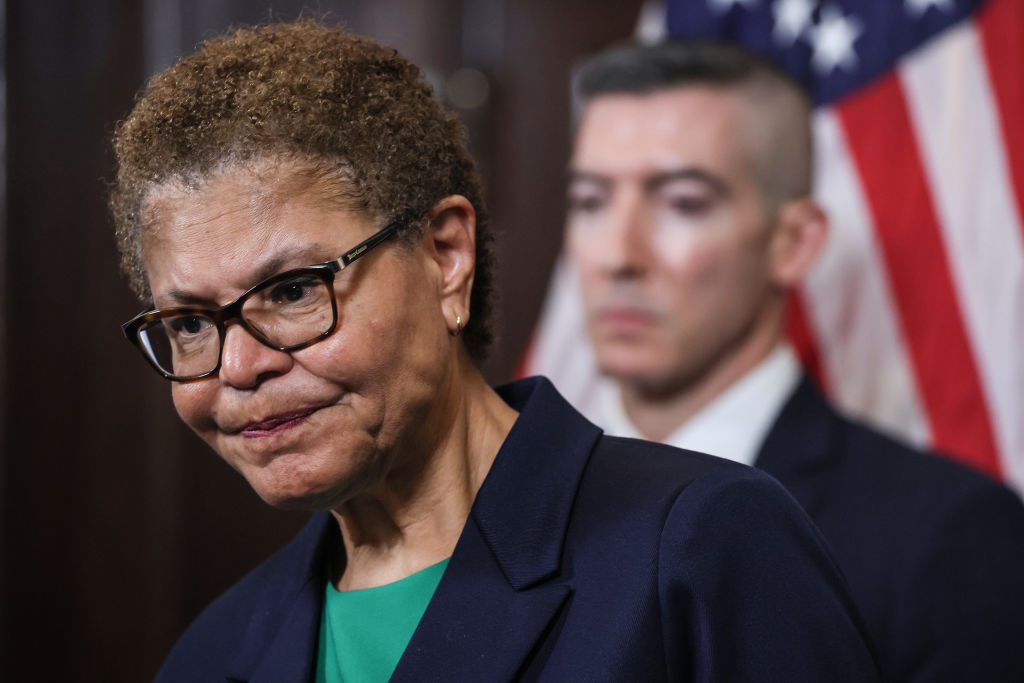
For nearly a decade, Los Angeles watched as film and television productions fled to Atlanta, Albuquerque, and even Eastern Europe in pursuit of generous subsidies. Studios prioritized bottom lines, and local crews paid the price: vanishing jobs, shuttered soundstages, and a cultural brain drain. But according to Los Angeles Mayor Karen Bass, the tide has finally turned. In a recent production report and public statement, she declared that Hollywood is “turning a corner,” with a measurable uptick in filming activity directly tied to expanded California production incentives.
This isn’t political optimism. It’s data-backed momentum.
The Production Exodus: How Hollywood Lost Its Base
Between 2014 and 2022, Los Angeles County saw a 44% drop in in-state filming days, according to the FilmL.A. annual report. Georgia, meanwhile, saw its TV and film sector grow by over 60%, buoyed by a 20–30% tax credit and streamlined permitting. New Mexico, Louisiana, and even New Jersey followed suit—offering rebates, infrastructure, and fast-track approvals.
The result? - “Stranger Things” moved to Atlanta. - “The Marvelous Mrs. Maisel” relocated to New York. - Countless indie films chose Santa Fe over Studio City.
Local crews faced part-time work, cross-country commutes, or career shifts. Rental houses shuttered. Catering trucks sat idle. The ripple effect hit neighborhoods from Burbank to Long Beach.
“We weren’t just losing productions,” says veteran gaffer Teresa Lopez. “We were losing generational knowledge. Kids growing up in Altadena with dreams of being cinematographers couldn’t even get a PA job because the work wasn’t here.”
California’s Response: The $1.65 Billion Incentive Overhaul
California didn’t sit idle. In 2023, the state legislature approved a major expansion of its Film & Television Tax Credit Program, increasing the annual allocation from $330 million to $1.65 billion over five years. The new structure includes:
- Tiered credits (up to 25%) for projects that hire local crew and shoot in underserved areas.
- Bonus incentives (up to 5% extra) for productions hiring women, LGBTQ+, and BIPOC crew members.
- Priority scoring for projects based in LA County, especially those filming in South LA, Pacoima, and other economically vulnerable zones.
Mayor Bass, a longtime advocate for entertainment industry revitalization, helped push these reforms through the state capital. Her administration also launched the “Stay and Film in LA” initiative, combining state incentives with city-level support: faster permitting, mobile production offices, and workforce retraining programs.
Real Numbers: What the LA Production Report Shows
The latest FilmL.A. quarterly report tells a clear story. From January to March of this year:
- Filming days in LA County increased by 22% year-over-year.
- New TV series shooting in LA rose by 37%, with three new network pilots choosing Burbank over Georgia.
- Independent film projects utilizing the tax credit grew by 41%, many using newly reactivated soundstages in Downtown and Hawthorne.

Notable returnees: - “Law & Order: LA” is back in pre-production at Universal Studios. - A24’s upcoming drama “Echo Park” is filming entirely on location in Silver Lake and Boyle Heights, using the local hiring bonus. - Apple TV+ brought back “The Morning Show”’s production to Manhattan Beach Studios after a two-season stint in New York.
“We did a cost analysis,” said producer Marcus Tran during a Downtown production break. “With the new 25% base credit, plus the 5% bonus for hiring local crew from South LA—we actually save money shooting here versus Albuquerque. And our team stays intact.”
Beyond the Credits: The Human Impact on LA’s Creative Economy
The financial math matters, but so does the human element.
Hollywood isn’t just studios and streamers—it’s over 250,000 workers in LA County: electricians, makeup artists, location scouts, costume designers, and craft services staff. Many left the industry entirely during the exodus. Now, they’re returning.
The city has launched “Crew Comeback LA,” a workforce reintegration program that matches returning crew with certified training refreshers in digital cinematography, safety protocols, and emerging virtual production tech. Over 3,200 have enrolled since January.
“We’re not just bringing back jobs,” says Mayor Bass. “We’re rebuilding a pipeline. We’re making sure that if you grew up in Watts with a dream of working in film, you don’t have to move to Atlanta to make it happen.”
Community colleges like LA Trade-Tech and Santa Monica College now offer certified short courses in collaboration with IATSE and the DGA, fast-tracking new entrants into union-ready positions.
The Studio Response: Infrastructure Reinvestment Begins With production returning, studios are reinvesting.
- Warner Bros. announced a $300 million upgrade to its Burbank backlot, including two new LED volume stages.
- Sony Pictures is expanding its Culver City lot with additional soundstages and green energy initiatives.
- Netflix signed a long-term lease at the former Red Studios Hollywood, rebranding it as Netflix Sunset.
Private developers are following suit. A mixed-use film campus is under construction in Vernon, combining affordable housing for crew with production offices and rehearsal spaces. The project, backed by a public-private partnership, includes a city-funded childcare center for on-call parents in the industry.
This isn’t nostalgia-driven investment. It’s a calculated bet on stability. “The subsidies help,” said Sony executive Anya Patel, “but what really matters is predictability. Knowing the incentive program is funded through 2028 gives us confidence to build long-term.”
Challenges That Remain: It’s Not All Smooth Sailing
Despite the momentum, hurdles persist.
- Application backlog: The surge in demand has created a 12-week wait for tax credit applications. Industry groups are urging the California Film Commission to hire additional staff.
- Housing and transportation: Returning crew face soaring rents and unreliable transit. Some are commuting from Riverside or San Bernardino—defeating the purpose of local hiring.
- Competition still fierce: Georgia still offers up to 30% in transferable credits, while New Mexico provides 35% with no annual cap. California’s non-transferable credits limit appeal for smaller studios.
And not every production is coming back. HBO’s “Dune: Sisterhood” remains in Abu Dhabi, citing infrastructure and climate advantages. Some creators argue that remote work and virtual production tools reduce the need for physical presence in LA at all.
Still, the direction is clear. “We’re not trying to win back every show,” says Mayor Bass. “We’re building an ecosystem where LA is the first choice—not the last resort.”
What This Means for the Future of LA Filmmaking
The revival isn’t just about economic recovery. It’s about cultural reclamation.

Los Angeles isn’t just a backdrop—it’s a character in American storytelling. From the neon grit of Blade Runner to the sun-bleached melancholy of La La Land, the city’s identity is woven into the fabric of cinema. When productions leave, they take more than jobs—they take authenticity.
Now, with subsidies working as intended, LA is regaining its footing. But the real win won’t be measured in filming days or tax credit dollars. It’ll be seen in the next generation of filmmakers who grow up knowing they can build a career without leaving home.
For independent creators, the expanded incentive tiers are opening doors. A micro-budget feature like “Echo Park” can now access up to 30% in combined credits—enough to hire union crew, rent high-end gear, and still finish under $2 million.
“We shot our last film in Oregon because we couldn’t get the credits here,” says director Naomi Reyes. “This time, we’re home. And it feels different. It feels sustainable.”
The Bottom Line: LA’s Hollywood Moment Is Now
Mayor Karen Bass didn’t create the film industry, but she’s helping resurrect it at a critical juncture. The combination of expanded subsidies, city coordination, and industry reinvestment is creating a rare alignment: policy meeting practice, dollars meeting dreams.
The LA production report isn’t just a statistic sheet. It’s a signal.
Hollywood may have bent under the weight of runaway production, but it didn’t break. And with local leadership, strategic funding, and a workforce ready to work, the comeback isn’t just possible—it’s already underway.
Actionable takeaway: If you’re a producer, check eligibility for California’s enhanced tax credits—especially bonus points for hiring in priority zones. If you’re a crew member, enroll in a retraining program through Crew Comeback LA. If you’re a policymaker, study LA’s model: targeted incentives + workforce development + infrastructure = sustainable revival.
FAQ
What did Karen Bass say about Hollywood production? Mayor Karen Bass stated that Hollywood is "turning a corner," citing increased filming activity due to expanded state production subsidies and local hiring incentives.
How much are California’s film tax credits now? California allocates $330 million annually to its Film & Television Tax Credit Program, with plans to increase funding to $1.65 billion over five years, offering up to 25–30% in combined credits.
Are more movies filming in LA now? Yes. LA County saw a 22% increase in filming days and a 41% rise in indie film projects using tax credits in the first quarter of this year.
What qualifies a production for bonus credits in California? Productions can earn extra credits by hiring local crew from underserved areas, employing women and underrepresented groups, and filming in designated economic opportunity zones.
Why did productions leave California before? Many productions moved to states like Georgia and New Mexico, which offered higher, transferable tax credits and faster permitting—making them more cost-effective than California.
Is the tax credit program working? Early data shows a significant rebound in LA filming activity, studio reinvestment, and crew rehiring—indicating the expanded credits are having a measurable impact.
What’s next for LA’s film industry? Continued expansion of production infrastructure, workforce training, and policy refinement to stay competitive with other filming hubs across the U.S.
FAQ
What should you look for in Karen Bass: Hollywood’s Comeback Begins with LA Production Subsidies? Focus on relevance, practical value, and how well the solution matches real user intent.
Is Karen Bass: Hollywood’s Comeback Begins with LA Production Subsidies suitable for beginners? That depends on the workflow, but a clear step-by-step approach usually makes it easier to start.
How do you compare options around Karen Bass: Hollywood’s Comeback Begins with LA Production Subsidies? Compare features, trust signals, limitations, pricing, and ease of implementation.
What mistakes should you avoid? Avoid generic choices, weak validation, and decisions based only on marketing claims.
What is the next best step? Shortlist the most relevant options, validate them quickly, and refine from real-world results.